There isn't a best music production course. There's a best type of course for what you're trying to do, and most people pick the type before they've worked that out.
Broadly, you've got three: a diploma or degree, a private tutor, or a short intensive. Each one trades money, time, and what you walk out with in a different way, and each one is genuinely the right answer for somebody. I'm not going to rank schools for you. I'm going to lay the three types side by side, honestly, so you can see which one fits, and then tell you what to ask any provider before you pay them.
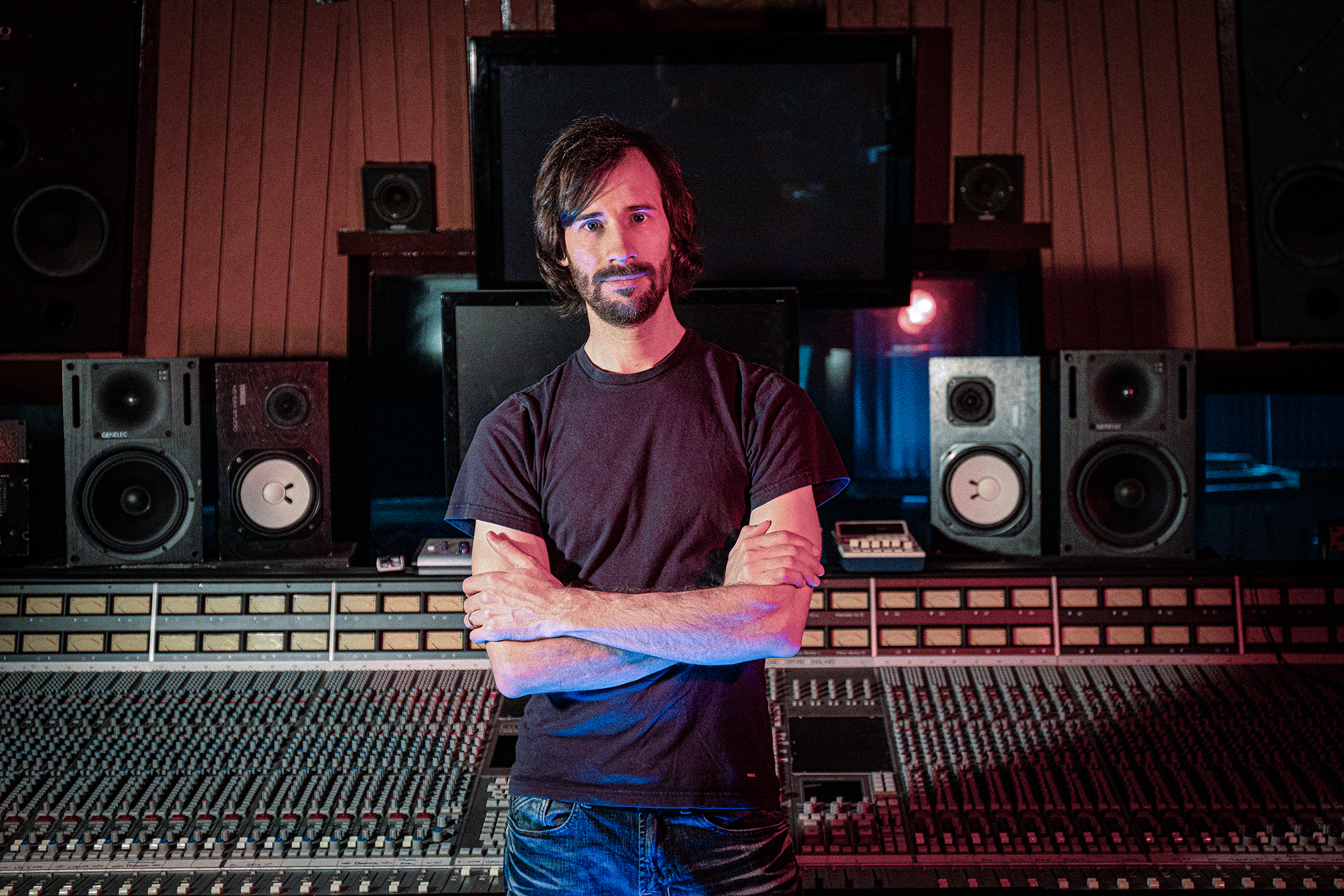
I've taught Sound Production at university level. I've also spent twenty-five years in commercial studios, on records for Sony, Mushroom, Netflix and Eurovision. And I run a short intensive, so I've got an interest in one of these three, and I'd rather say so in the second paragraph than have you work it out in the tenth.
The three, side by side
| Diploma or degree | Private tutor | Short intensive | |
|---|---|---|---|
| Time | One to three years, full time | Ongoing, an hour or two a week | Days to weeks, full time |
| Money | Around $40,000 for a private diploma, past $70,000 for a private degree | Per hour, and it adds up quietly | A few thousand dollars, in one go |
| What you walk out with | A nationally recognised certificate, theory in order, a portfolio of assessments | Whatever you and the tutor worked on, and nothing on paper | The craft as it's actually practised, a cohort, and a start on real records |
| Right for | People who need the certificate, want the academic route, or want a hedge | People already working who have one specific gap | People past the bedroom stage who want to be hired |
| The catch | Slow, expensive, and the assessment isn't a client | Only as good as the tutor, and nobody's checking | Compressed, and you have to keep working when it ends |
That's the whole thing in a table. The rest of this is the honest version of each row, because a table can't tell you the catch is sometimes the point.
The diploma or degree
What it's genuinely good at. Three things, and they're real. It lays the theory down in the right order: acoustics, electronics, signal flow, taught as a sequence rather than picked up in fragments over a decade. It gives you structure, which for some people is the difference between doing this and never opening the DAW. And it gives you a nationally recognised certificate, which nothing else on this page does.
There's a fourth thing people underrate. A cohort you spend years with. Some of the people you sit next to in first year will be the people who hire you, or who you hire, in ten years.
What it can't do. It can't put you in front of a paying client. The assessment is the client, and an assessment doesn't ring you at eleven at night because the label moved the deadline. It also can't give you back the years. Two or three years in a classroom is two or three years of not building a body of work, and in this industry the body of work is what you get hired on.
Who it's right for. Anyone who can name the person or organisation that's going to ask for the certificate. A visa, a university's entry requirements, an employer in broadcast or government, a career in teaching this. Anyone who wants the academic route for its own sake. And, honestly, anyone who isn't sure this is their industry yet and wants three years that count for something outside it.
If that's you, go and get one. RMIT do it well, and I say that as someone who studied there.
The private tutor
What it's genuinely good at. One thing, brilliantly: it's yours. An hour with a good tutor is an hour on exactly your problem, on your session, at your pace. No lecture on something you already know, no waiting for the group to catch up. For someone who's already working and has one specific gap, a tutor is the fastest and cheapest fix there is.
What it can't do. It can't give you structure, because there's no curriculum unless the tutor writes one. It can't give you a room full of gear, or a cohort, or anything on paper. And it depends entirely on the tutor, which is the real catch: there's no accreditation, no course outline to read, and no way to vet them except by their work and their reputation. Some are superb. Some have been teaching the same three tricks since 2009.
Then there's the money. Per hour it looks cheap. Over a year of weekly lessons it usually isn't, and because there's no end date, people drift.
Who it's right for. Someone already producing who can name the gap. "My low end is muddy and I don't know why." "I can't get a vocal to sit." That person should find a tutor whose records they admire, buy five hours, and fix it.
The short intensive
What it's genuinely good at. Speed, and the way it's taught. An intensive compresses the craft into days or weeks, full time, in a real studio, taught by people who make records for a living. You learn the process the way it's actually done, in the order it's actually done, with your hands on the gear. You get a cohort, small enough that everyone gets their turn on the console. And you come out with a start on the thing that gets you hired, which is real work.
The one I run is ten days in a working Melbourne studio, capped at twelve students, for $4,890. I'll say that plainly rather than hide it, because you'd rightly wonder otherwise.
One of ours came in as a singer-songwriter who ran a mortgage broking company. He left the company. He now produces full time. He lives in Melbourne, owns a studio in Queensland, flies up to produce Brisbane bands, works with other artists at home, and charges properly for it. Two weeks didn't make him a producer. It showed him the whole process, and he went and did the rest.
What it can't do. It can't give you a certificate, and if you need one, stop reading this row. It doesn't suit absolute beginners, because ten days moves too fast for someone who's never opened a DAW, and an honest intensive will tell you that and point you somewhere free first. And it's compressed on purpose, which means the two weeks are the start of the work, not the end of it. If you walk out and don't make a record in the next month, you've wasted it.
Who it's right for. Someone past the bedroom stage, who's made things, who's found the ceiling, and who wants to be trusted with a record sooner than three years from now.
How to choose between them
Four questions. Answer them in order, honestly, and the type picks itself.
- Can you name who's going to ask you for a certificate? If yes, it's the diploma or degree, and the rest of this list doesn't apply. If you can't name anyone, you don't need one.
- Have you made anything yet? If you've never opened a DAW, start with something free. There are short courses at academyofaudio.com that'll show you inside a weekend whether this is for you. If you've made things and hit a ceiling, keep going.
- Is your gap specific or general? One named problem, find a tutor. The whole process, an intensive.
- What will you have made at the end? Not learned. Made. A certificate, a set of exercises, or a record. Pick the one whose answer you'd show a client.
What to ask any provider before you pay
This applies to all three, and a good one will welcome every question.
- Who's teaching it, and what did they make last year? Not ten years ago. Last year. If nobody can answer, that tells you what you need to know.
- How many hours will I spend on real gear, in a real room? Get a number.
- What do students actually walk out with? Ask to see a graduate's work, not the school's showreel.
- Can I talk to someone who finished it? If the answer is no, ask why.
- What's the total cost, all in? Fees, materials, the years, and the interest if there's a loan.
What I'd actually do
If I were nineteen and starting again, I'd do something free first to make sure I meant it. Then, unless someone needed my certificate, I'd find the fastest route to a real record with a real client, which for me would be an intensive followed by assisting in a studio. And I'd get the theory anyway, because acoustics and signal flow are the same in a textbook as they are in a lecture hall, just cheaper.
But if someone did need the certificate, I'd get it and not look back. The worst course isn't any of the three. It's the one you picked because it was the default.