Sometimes. And the people it's worth it for are mostly not the people enrolling in one.
Here's the short version, because you came for it. If you need a nationally recognised certificate, because a visa asks for one, or you're using it as a pathway into a degree, or an employer in broadcast or a large live production company has it on the job ad, then yes. A diploma does that job and nothing else does. Go and get one. RMIT do it well.
If you want to make records, work with artists, and get paid for it, then what you're buying with a diploma is mostly time and a piece of paper, and what you actually need is skill and a body of work. Those aren't the same purchase, and most people find that out two years and forty thousand dollars in.
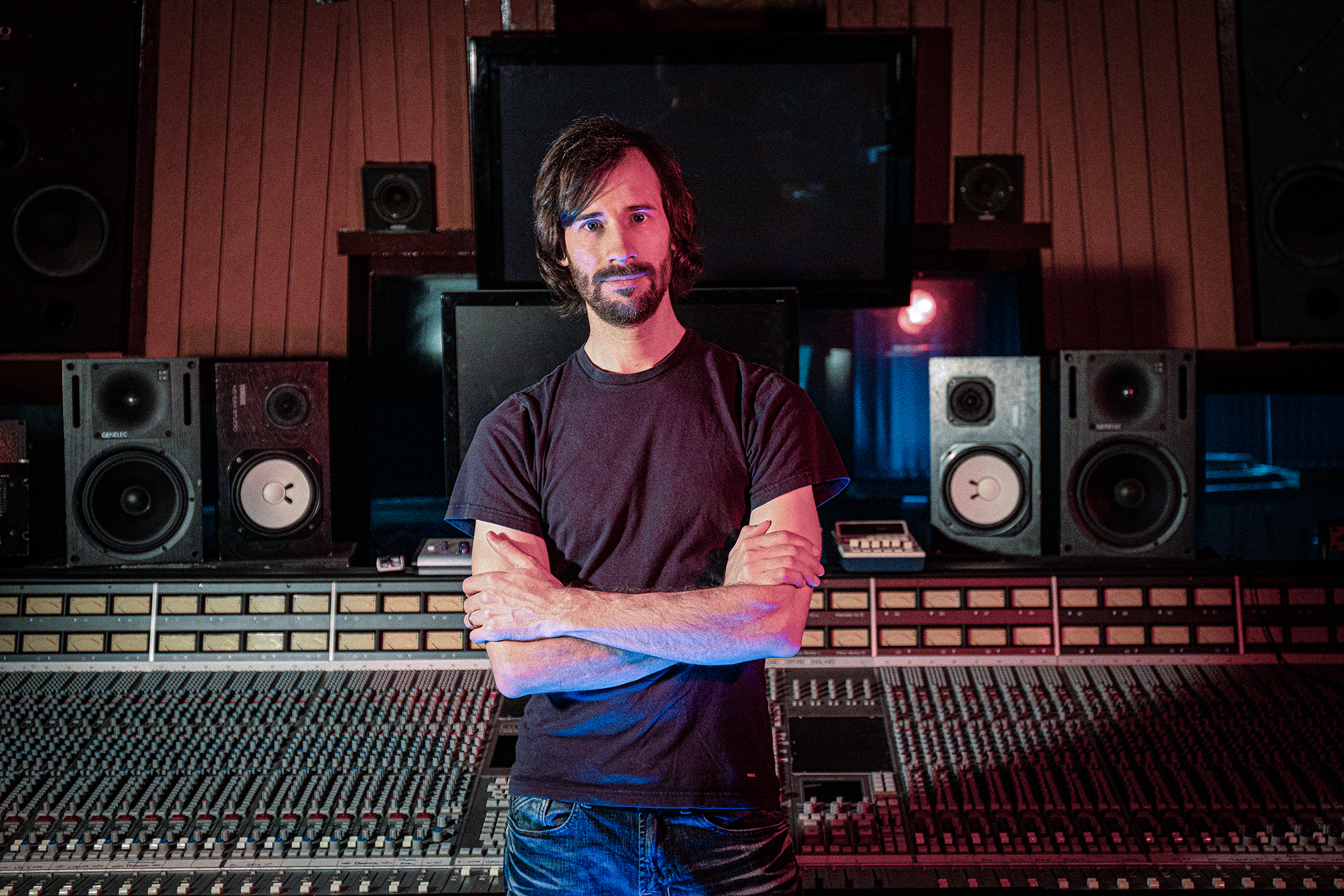
I've taught Sound Production at university level. I've also spent twenty-five years in commercial studios, on records for Sony, Mushroom, Netflix and Eurovision. So I've seen this from both sides of the desk, and what follows is the honest version rather than the one either side would prefer you heard.
What a diploma is actually for
A diploma is a nationally recognised certificate. That's its job. It says an accredited provider has assessed you against a training package, which is a document listing competencies, written by a committee and updated every few years.
That sounds like a dig and it isn't. A certificate is enormously useful when the thing on the other side of the table is asking for a certificate. Immigration asks for one. A university's entry requirements ask for one. Some employers ask for one, particularly in broadcast, government and the bigger live production companies, because someone in HR needs a box to tick.
So the first question isn't "is a diploma worth it". It's "who is going to ask me for this?"
Write down who. A real person or a real organisation. If you can name them, the diploma is worth it, and this article ends here for you. Go well.
If you can't name anyone, keep reading, because you're about to spend two years satisfying a requirement nobody has.
Who actually asks a producer for a certificate
Nobody, in my experience. I want to be precise about that, because it sounds glib.
I've been making records for over twenty-five years. Some went to number one, some were nominated for ARIAs, some were recorded with a symphony orchestra, and some were TV themes. The discography is on Spotify if you want to check. In all that time, not one artist, label or manager has asked to see a qualification. They asked to hear something.
An artist deciding who mixes their record listens to something you mixed. A label deciding who produces a single looks at what you've produced. A studio hiring an assistant wants to know whether you can run a session without breaking anything, and they find that out by watching you for a day.
The currency is the work. It always has been. The certificate is a proxy for the work, and it's a proxy the people who actually hire producers have never needed, because they can just listen to the work.
That's the whole distinction and it's worth holding on to. You'll be qualified to do the work, or you'll have a certificate that says so. Those two things have come apart. Most people arrive assuming they're the same thing.
What the two years actually cost
Let's be concrete, because "expensive" is vague.
A diploma of audio engineering in Australia typically runs one to two years full time. A two-year private diploma sits around forty thousand dollars, and a bachelor degree at a private college can pass seventy thousand dollars by the time you're out.
Money is the smaller cost. The bigger cost is the two years.
Think about it the way a builder thinks about a frame. The first thing that goes up on a site is the frame, and everything else attaches to it. In this industry the frame is your first twenty records. Not your first twenty assignments. Records, for real people, with a deadline and a client who has an opinion. Every one of them teaches you something no curriculum can, because the curriculum was written before the client turned up.
Two years in a classroom is two years of not building the frame. You come out with a certificate and a portfolio of assessments, and then you start on the twenty records. The person who skipped the diploma is already on record twelve.
Where a diploma genuinely earns its money
I said I'd be honest in both directions, so here's the other direction.
Structure. Some people need a timetable, a room to turn up to, and somebody expecting them. If left alone you'd never open the DAW, a diploma gives you a reason to. That's real, and it's worth something.
Theory, in order. A good diploma will sit you through acoustics, electronics and signal theory that a working producer picks up in fragments over a decade. If you want that foundation laid in the right order, a diploma lays it in the right order.
Hours on gear you can't afford yet. A big console, a live room, a proper mastering chain. You'll get time on them.
The certificate, for the people who need one, which we've covered.
What a diploma doesn't do well, and I say this having taught in one, is put you in front of a paying client. The assessment is the client. And an assessment doesn't ring you at eleven at night because the label moved the deadline.
The question to ask instead
Don't ask "is a diploma worth it". Ask "what's the fastest route to being trusted with a record?"
Because that's the actual goal. Nobody wants a diploma. People want to be the one the artist calls. A diploma is one route to that, and it's the longest and most expensive one, and for most people who want to produce, it isn't the right one.
Here's roughly how the routes compare.
| Route | Time | Money | What you come out with |
|---|---|---|---|
| Self-taught, YouTube and forums | Years, unstructured | Nearly nothing | Scattered skill, and gaps you can't see |
| A diploma or degree | One to three years | $20,000 to $70,000 and up | A certificate, theory in order, a portfolio of assessments |
| An intensive, taught by working producers | Weeks | A few thousand | The craft, taught the way it's actually done, and a start on the frame |
I run the third one, so weigh that however you like. I've got a horse in this race and I'd rather say so. But I built it because I kept watching talented people take the second route and come out unprepared, and I wanted them to have a real alternative.
What I'd actually do
If you're deciding right now, here's the order I'd think in.
- Name who's going to ask you for the certificate. If you can, get the diploma. If you can't, don't.
- If you're not sure you even want this yet, spend nothing. There are free short courses at academyofaudio.com that'll tell you inside a weekend whether this is for you.
- If you know you want it and nobody needs your certificate, find the fastest route to a real record with a real client. That might be an intensive. It might be assisting in a studio. It might be both.
- Get the theory anyway, just not for forty thousand dollars. Acoustics and signal flow are the same in a textbook as they are in a lecture hall.
Be honest about which one you are. Most of the regret I've seen in this industry isn't from people who picked the wrong course. It's from people who never asked who the certificate was for.